

Community Wealth Building - Beyond the Preston Model
Communities in different locations are experimenting with various approaches to stimulate the development of more ethical local economies

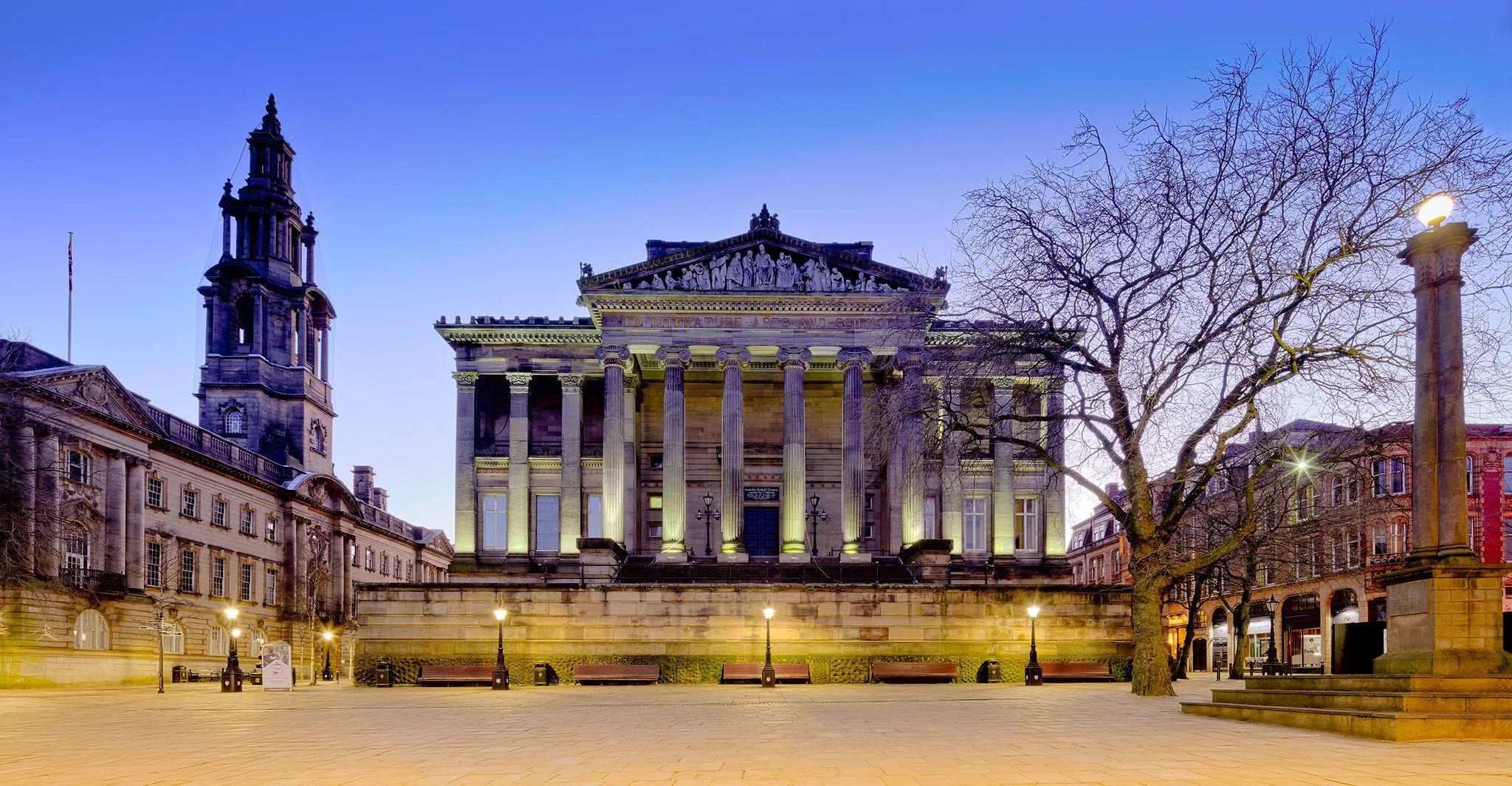
The Harris Museum and Gallery, Preston, England. Photo by Michael D Beckwith
Matthew Brown, in his 2021 book Paint Your Town Red, describes how Preston, a small Northern English town with a population of around 123,000, became a pioneer in the implementation of community wealth building.
Councillor Brown was elected in 2002. Nine years later, in 2011, he was responsible for “community engagement and inclusion” when plans for a £700 million shopping centre development in the town collapsed.
He realised how the traditional growth model based on attracting inward investment could no longer be relied upon. In 2013, Preston City Council teamed up with the Centre for Local Economic Strategies, Cooperatives UK, and the University of Central Lancashire to explore how it might be possible to apply community wealth building ideas in the town.
This resulted in the identification of a procurement spend of close to £750 million from six major anchor institutions - Lancashire County Council, Preston College, Community Gateway, Cardinal Newman College, the Office of the Lancashire Police and the University of Central Lancashire. Unfortunately, at that time, only 5 per cent of this spend was with organisations within the Preston boundary.
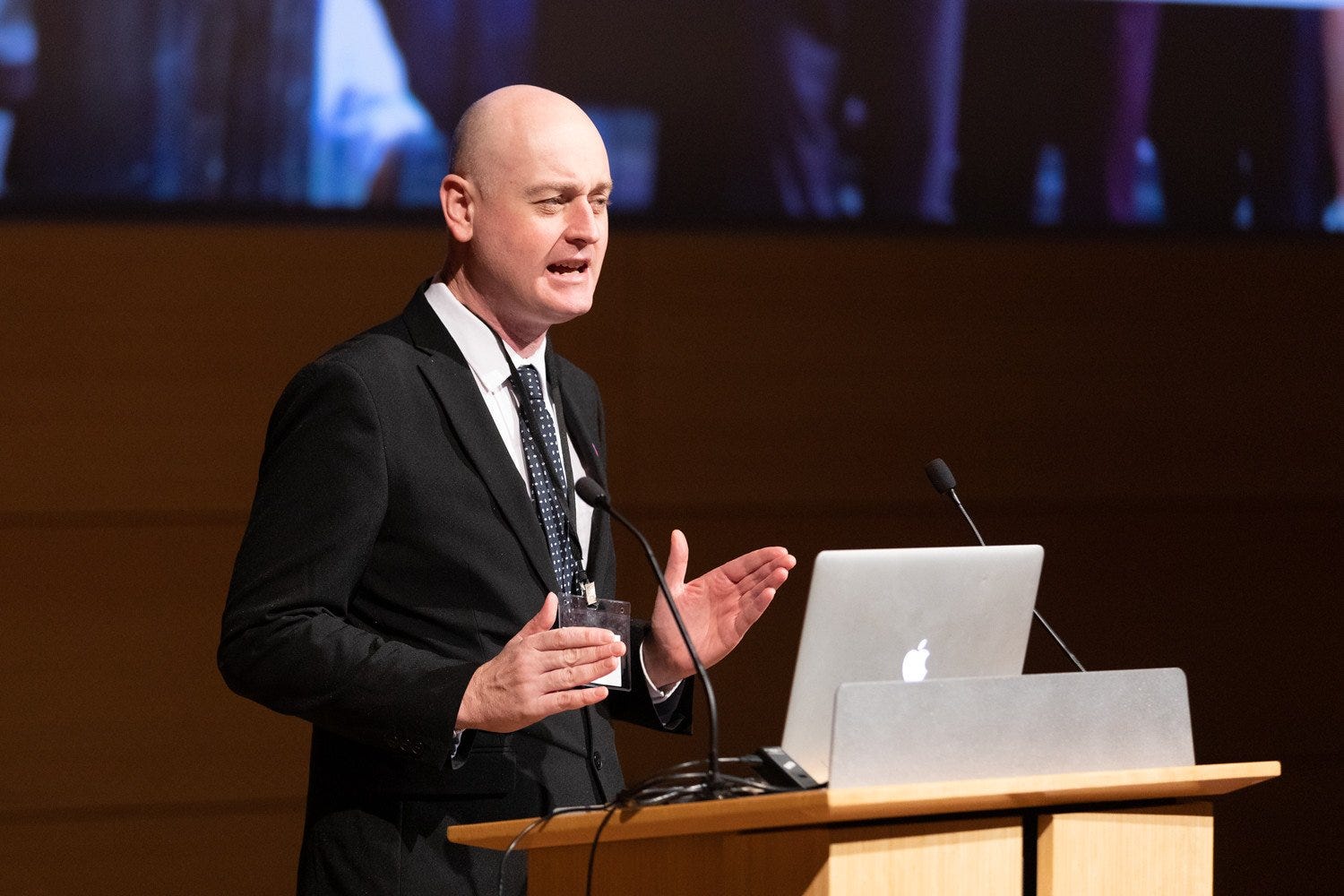
How does Community Wealth Building work?
The goal of community wealth building is to redirect as much of this anchor institution spending as possible to local businesses, while at the same time enhancing the local economy’s capacity to supply goods and services by creating a tightly integrated ecosystem of cooperative enterprises.
By 2019, £74 million was being redirected back into the Preston economy, with unemployment dropping from 8.8 per cent in 2012 to 3.4 per cent in 2020. Preston was named the ‘Most Improved City in the UK’ in 2018. During COVID-19, unemployment in the town rose slightly, and in 2025 the rate stood at 4.9 per cent.
The Preston Model represents a re-imagination, born through adversity, of what is possible in terms of local economic stewardship. It is an example of local government combining advocacy with spending power to stimulate fairer work and social initiatives, reduce inequality, and increase youth employment.
Research has revealed that the impacts of community wealth building go beyond economic and employment changes to bring about improvements in health and well-being in Preston.
Since the program was introduced, researchers report “a 3% decline in antidepressant prescribing, and a 2% decline in the prevalence of depression, along with a 9% improvement in life satisfaction, and an 11% increase in wages, compared to expected trends.”
Sources of Inspiration
The approach adopted by Councillor Brown and his colleagues was inspired by the Mondragon Model from Spain, an example of a cooperatively owned corporation employing close to 70,000 people. It has become a beacon recognised across the globe and is described as a “more humane and egalitarian way of doing business.”
Perhaps the most interesting twist in this story is the fact that the founders of Mondragon took inspiration from the Rochdale Pioneers, who established the first cooperative in 1844. Rochdale is a mere 50 km drive from Preston.
The Preston team also connected to the Democracy Collaborative based in the United States, which had developed the Cleveland prosperity model with the Evergreen Cooperatives. The procurement spend of anchor institutions in the Cleveland area was much larger at US$3 billion per year, and implementation of the community wealth building strategy created around 5,000 jobs.
In July 2023, Sarah McKinley, Director of the Community Wealth Building Programs at the Democracy Collaborative, kindly delivered a talk to my course on Ethical and Regenerative Cities. The title was “Community Wealth Building - How democratising the economy can help build ethical, regenerative communities.”
The video of her talk is shared below.
Visiting Preston
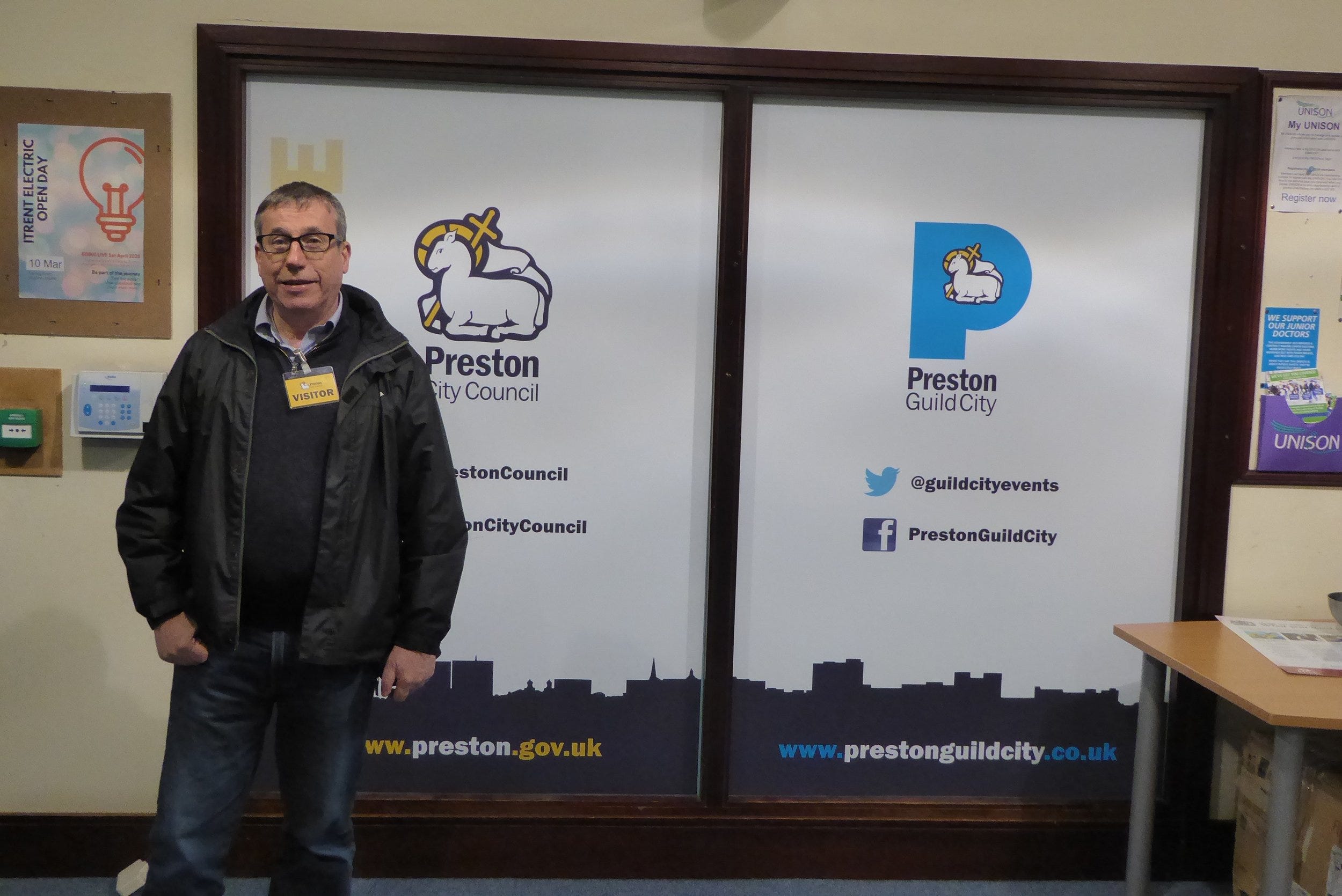
On 9 March 2020, while researching our ethical cities book, I visited Councillor Brown in Preston to hear from him directly about his work with community wealth building. As you can imagine, these were difficult times to be travelling with the UK COVID-19 cases rising rapidly and the government introducing a range of measures before the end of March. Indeed, it was very gracious of Councillor Brown to go ahead with the meeting under those circumstances.
At that point, he had been Leader of the Council for less than two years, and he talked about the importance of engaging with the local community around the Preston Model to raise awareness of its positive impacts.
Indeed, one of the critiques of community wealth building relates to flaws in the community engagement process. Research has shown that in some instances, there is a “disconnect between what local communities want and what is being offered” by the local authority. The latter tends to set the agenda and then consults with the community after key decisions have been made.
My discussions with Councillor Brown were wide-ranging, and he was open to criticism of the approach adopted in Preston. However, he was keen to point out the “good motivations” underpinning the model and evidence of real social benefits associated with cooperatives in Spain and Italy, such as longer life expectancies and higher incomes for workers.
He argued that at the local level, even if you are only a small Council, you still can be radical and innovate to try to change the system around you. He was most interested in the transformative aspects of community wealth building since he acknowledged that Preston still faces many significant challenges related to inequality, deprivation and child poverty rates.
Beyond the Preston Model
In her July 2023 talk, Sarah McKinley introduced both the Cleveland and Preston Models. However, she also provided examples of how community wealth building is gaining momentum in other regions, including North Ayrshire in Scotland, which launched its strategy in May 2020.
At the national level in Scotland, the Government has adopted the community wealth building approach to economic development, and this is embodied in the March 2022 National Strategy for Economic Transformation. The strategy highlights five fundamental pillars of community wealth building:
(1) Spending - ensuring the community benefits from procurement and commissioning directed at local enterprises;
(2) Workforce - increasing fair work;
(3) Inclusive ownership - developing social enterprises including cooperatives;
(4) Land and property - ensuring that local communities gain from land and property assets; and
(5) Finance - ensuring investment and financial institutions work for local people.
Other examples of community wealth building from the UK are listed on the website for the Centre for Local Economic Strategies and include Birmingham, Brighton and Hove, Darlington, Leeds, Lewes, Luton, Manchester and Southampton.
Elsewhere in Europe, there is the Amsterdam’s Nieuw-West Pilot Strategy in the Netherlands and the adoption of community wealth building by Dublin City Council in Ireland.
When I asked Sarah McKingley for examples from the Asia Pacific region, she pointed towards the City of Sydney’s Community Wealth Building strategy, and it appears that several cities in South Korea are exploring potential adoption in the future.
An OECD webinar acknowledged this upsurge in interest in January 2023 with the title “Community wealth building at scale: Experiences and Lessons from Scotland.” You may be interested in checking out the video of that webinar below.
It is clear that community wealth building has emerged as a tool to support the transformation of local economies in a manner that promotes well-being and inclusiveness while at the same time seeking to reduce inequalities and poverty. It is part of a broader movement towards a more ethical economy that places the needs of people and communities at the centre.